Smart Lighting Adelaide: Your 2026 Guide to Perfect Home Lighting Design
Smart lighting has quickly become one of the most popular ways Adelaide homeowners step into smart home technology. When it’s done properly, smart lighting transforms how your home looks, feels, and functions throughout the day. When it’s done poorly, it becomes frustrating, inconsistent, and underused.
The truth is, most smart lighting issues don’t come from the technology itself. They come from a lack of planning and design.
This guide explains how smart lighting actually works, the most common smart lighting mistakes we see in Adelaide homes, and how to design smart lighting properly for both renovations and new builds in 2026.
How Smart Lighting Works
Smart lighting is not about individual smart bulbs or fancy switches. At its core, smart lighting is about control, automation, and coordination.
A properly designed smart lighting system allows you to control groups of lights together, adjust brightness easily, automate lighting based on time or activity, and create consistent lighting behaviour across your entire home.
Instead of turning lights on and off one by one, smart lighting uses zones, scenes, and schedules. Zones group lights that make sense together. Scenes set moods or functions for a space. Schedules allow lighting to change automatically throughout the day.
The key difference between true smart lighting and a collection of devices is that smart lighting works as a system. When lighting is designed as a system, it feels intuitive and effortless. It simply works in the background of everyday life.
Smart Lighting Mistakes Adelaide Homeowners Make
One of the most common mistakes is treating smart lighting as a product purchase rather than a design decision. Choosing fittings, switches, or apps before thinking about how a space should function almost always leads to problems later.
This often results in multiple apps, inconsistent brightness levels, flickering when dimmed, and lighting that never quite feels right.
Another common mistake is trying to control every single light independently. While it sounds appealing, it usually creates complexity rather than convenience. Most homes work far better when lights are grouped logically, different layers of lighting are controlled together, and scenes are used to simplify everyday use.
Ignoring dimming is another major issue. Without dimming, lighting feels harsh at night, spaces lack atmosphere, and flexibility is lost. Dimming is not a luxury feature. It is a fundamental part of good lighting design.
Mixing incompatible products is also a frequent problem. Combining different brands, drivers, and control methods often leads to flickering, buzzing, and unreliable performance. A professionally designed system ensures all components work together smoothly and consistently over time.
Smart Lighting for Renovations in Adelaide
Renovating an existing home does not mean you have to miss out on smart lighting. Many Adelaide renovations are ideal opportunities to upgrade lighting, particularly in kitchens, living areas, bedrooms, and outdoor entertaining spaces.
In renovation projects, smart lighting is usually designed around existing wiring and structure. This might include grouping lights on existing circuits, adding smart dimming, introducing scenes, and automating lighting behaviour without needing to rewire the entire home.
The focus in renovations is on flexibility and simplicity. Rather than adding more fittings, smart lighting design improves how existing lights work together. When done properly, smart lighting can be integrated into a renovation without major disruption and without turning the project into a complicated technology exercise.
Smart Lighting for New Builds in Adelaide
New builds provide the best opportunity to design smart lighting correctly from the beginning. When lighting is planned early, homes feel calmer, more refined, and easier to live in.
Smart lighting in new builds should be considered alongside electrical planning, interior design, furniture layout, and outdoor spaces. Instead of asking where to place downlights, the better question is how each space should feel at different times of day.
When smart lighting is designed from the start, fewer fittings are often needed, control becomes simpler, and future upgrades are easy. New builds benefit most from thoughtful zoning, layered lighting design, and whole-home consistency rather than isolated smart features.
Layered Lighting Design
Layered lighting design is one of the most important principles in smart lighting and one of the most overlooked.
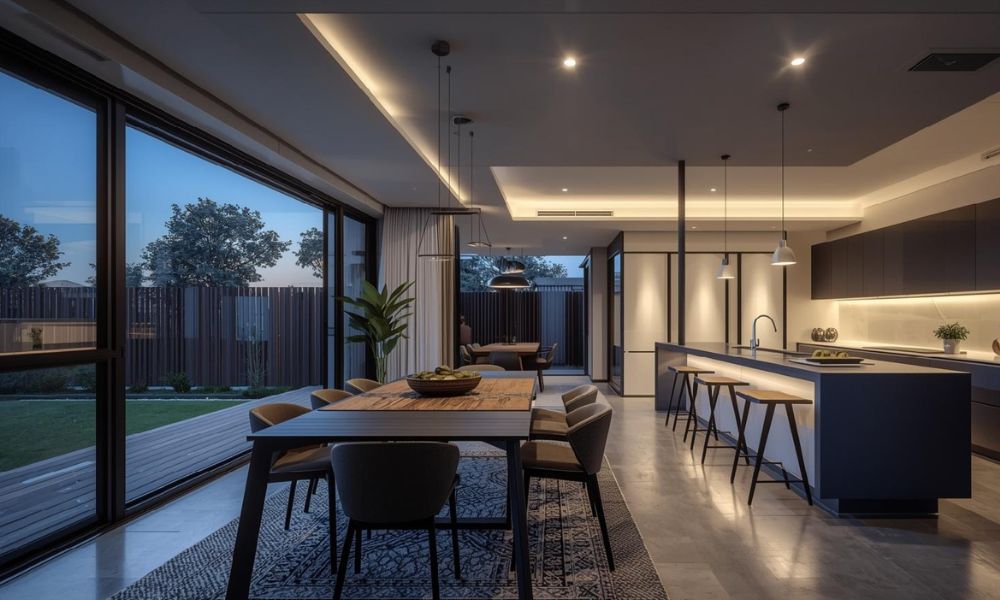
Layered lighting uses multiple types of light within a space. This might include downlights for general illumination, LED strip lighting for warmth and depth, wall lights or feature lighting for visual interest, and lamps for atmosphere.
Each layer serves a different purpose. Together, they create flexibility and comfort. Layered lighting reduces harsh overhead light, adds visual depth, and allows spaces to change mood easily throughout the day.
Smart lighting systems make layered lighting easy to use by allowing different layers to be controlled together through scenes and dimming rather than juggling multiple switches.
Dimmable Smart Lighting
If there is one rule that applies to almost every home, it is that nearly everything should be dimmable.
Dimming allows lighting to adapt to different times of day, activities, and moods. It creates softer lighting in the evening, brighter light when needed for tasks, and smooth transitions between day and night.
Dimmable smart lighting gives you control over intensity, not just on and off states. It also extends the usefulness of your lighting, allowing the same fittings to serve multiple purposes instead of needing more lights.
Smart Lighting Scenes
Scenes are where smart lighting truly becomes part of everyday living.
A scene is a preset combination of which lights turn on, how bright they are, and how they work together. Common scenes include morning, evening, entertain, goodnight, and away.
Scenes remove the need to think about lighting at all. Instead of adjusting switches, you simply choose the moment and the lighting responds accordingly. The best scenes are the ones you use every day, not the ones that are only shown off once.
When designed properly, scenes feel natural and intuitive and quickly become part of daily routines.
Why Seeing Smart Lighting in Person Makes a Difference
Smart lighting is difficult to fully understand online. Seeing how brightness levels change, how scenes feel, and how different layers of lighting work together is something that needs to be experienced in person.
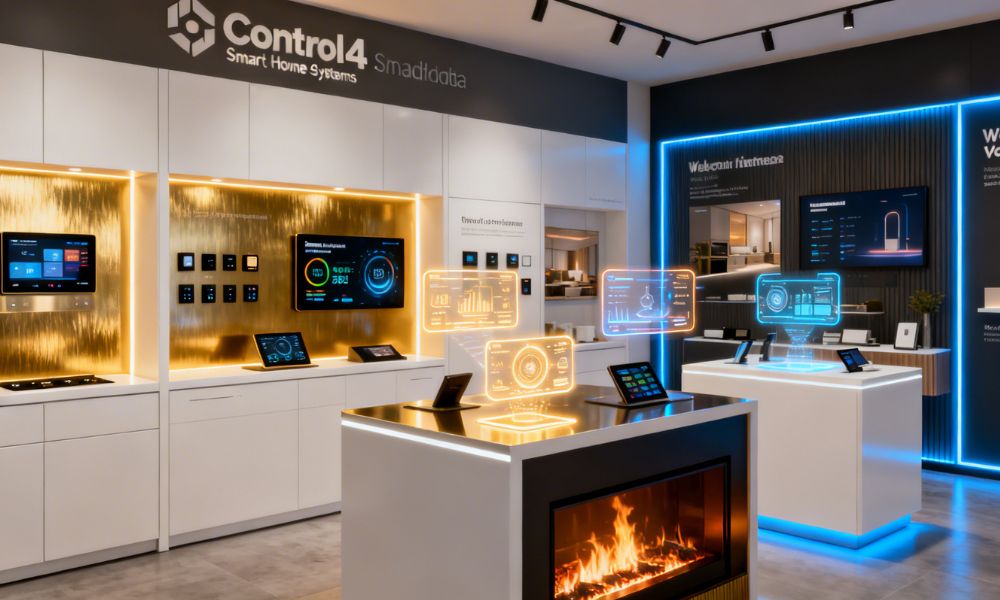
That’s why visiting a showroom is such an important part of the process. Seeing smart lighting in action helps homeowners make confident decisions and avoid costly mistakes.
If you are considering smart lighting for your home, the best next step is to come and see Craig at our Somerton Park showroom. A showroom visit allows you to experience smart lighting scenes, dimming, and layered lighting in a real environment and ask practical questions about what will work best for your home.
Final Thoughts
The best smart lighting systems do not feel technical or complicated. They feel effortless.
Whether you are renovating or building new in Adelaide, doing smart lighting the right way means focusing on thoughtful design, layered lighting, dimming throughout the home, and scenes that reflect real life.
When smart lighting is designed properly, your home responds to you quietly and reliably, enhancing comfort, atmosphere, and usability every single day.
To see what’s possible and explore smart lighting in action, come and see Craig at our Somerton Park showroom and experience the difference professional smart lighting design makes.